
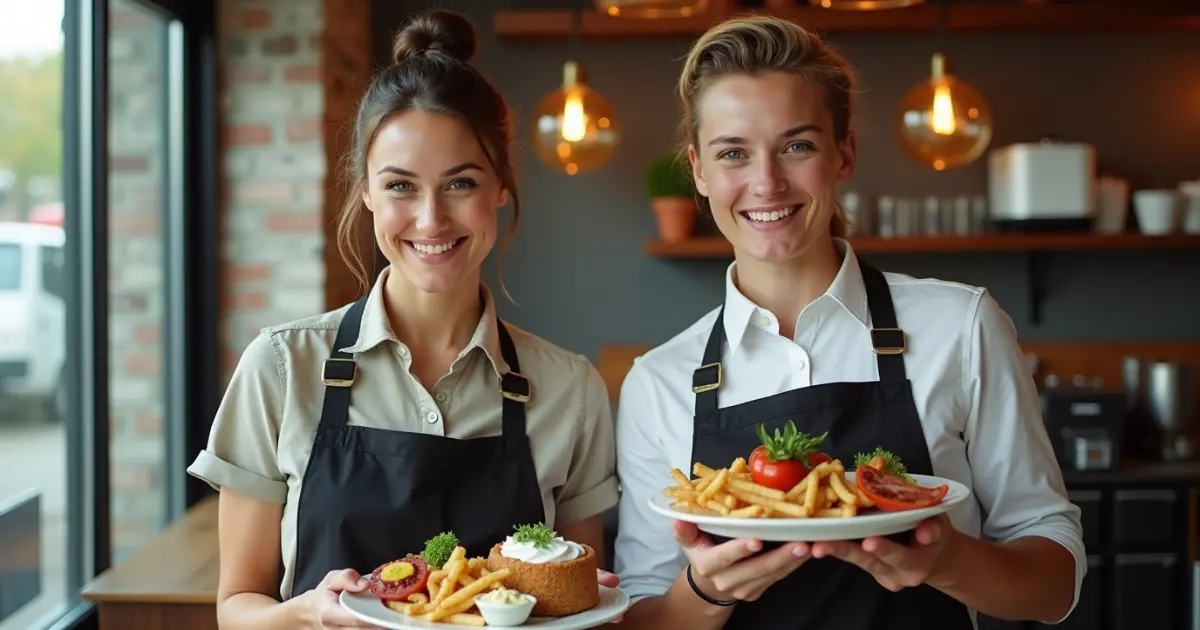
In the bustling ecosystem of a restaurant, every role plays a critical part in delivering a seamless dining experience. Two positions often confused but distinctly vital are the food runner vs server. While both contribute to customer satisfaction, their responsibilities, skills, and career trajectories differ significantly. This article breaks down their roles, highlights key differences, and explores potential career paths to help you navigate opportunities in hospitality staffing or find food worker jobs and server positions.
What is a Food Runner?
Role Overview
Sometimes called a server assistant, acts as the bridge between the kitchen and the dining area. Their primary focus is ensuring dishes reach guests accurately and efficiently. Unlike servers, they typically have minimal direct interaction with patrons. Food runner jobs are ideal for individuals who thrive in fast-paced environments and prefer behind-the-scenes work.
Key Duties
- Deliver Food Promptly: Transport meals from the kitchen to the correct table, coordinating with expediters.
- Verify Order Accuracy: Cross-check dishes against tickets to prevent errors, a critical skill in food runner vs. server dynamics.
- Assist with Presentation: Garnish plates or add final touches before serving.
- Support Kitchen Staff: Help organize orders or communicate timing issues.
- Clear Tables: Occasionally remove empty plates (though this overlaps with bussers).
Essential Skills
- Attention to detail to avoid mix-ups.
- Physical stamina for standing and carrying trays.
- Teamwork to sync with kitchen and serving staff.
A Typical Shift
Those in food & beverage jobs thrive under pressure. During peak hours, they might deliver 50+ dishes, prioritize urgent orders, and troubleshoot kitchen delays. Success hinges on speed and precision, making this role a cornerstone of culinary staffing.
What is a Server?
Role Overview
Servers (or food servers) are the face of the restaurant, managing direct guest interactions from greeting to payment. They balance hospitality with salesmanship, ensuring diners enjoy their experience while boosting revenue. In some establishments, staff servers may also assist with training new hires or mentoring food runners.
Key Duties
- Welcome Guests: Seat customers, present menus, and explain specials.
- Take Orders: Accurately input food/drink requests into the POS system.
- Upsell Items: Recommend appetizers, premium dishes, or desserts.
- Address Concerns: Resolve complaints (e.g., incorrect orders, allergies).
- Process Payments: Handle cash, cards, or digital transactions.
Essential Skills
- Exceptional communication and rapport-building.
- Multitasking across multiple tables.
- Menu expertise, including ingredients and pairings.
A Typical Shift
Food servers juggle taking orders, refilling drinks, and ensuring timely meal delivery. Their income often relies on tips, incentivizing personalized service, a key difference in food runner vs food server dynamics.
Food Runner vs Server: 4 Key Differences
- Customer Interaction
- Server: High interaction (taking orders, resolving issues).
- Food Runner: Limited to brief exchanges during food drop-off.
- Responsibilities
- Server: Manages the full dining cycle, from seating to payment.
- Food Runner: Focuses solely on meal delivery and accuracy.
- Income Structure
- Server: Earns hourly wage + tips (often 15–20% of sales).
- Food Runner: Typically earns an hourly wage plus a smaller tip share.
- Skill Emphasis
- Server: Requires salesmanship, conflict resolution, and charisma.
- Food Runner: Prioritizes efficiency, organization, and coordination.
Career Paths & Advancement Opportunities
Food Runner Career Progression
- Next Step: Transition to food server after mastering menu knowledge and customer service basics.
- Long-Term Roles: Shift Leader, Kitchen Manager, or Restaurant Supervisor.
- Specialization: Move into expediting or inventory management. Platforms like Truegigs’ staff server can connect professionals with specialized food runner jobs or server roles.
Server Career Progression
- Next Step: Become a Head Server, Trainer, or Sommelier in upscale venues.
- Long-Term Roles: Assistant Manager, General Manager, or Hospitality Director.
- Beyond Restaurants: Shift to event planning, catering, or corporate hospitality staffing.
Tips for Advancement
- Obtain certifications (e.g., food safety, wine courses).
- Use hospitality staffing agencies like Truegigs Staffing Solutions to explore opportunities.
- Network within the industry for higher-level roles.
Choosing the Right Role
- Opt for Food Runner if: You prefer behind-the-scenes work, thrive under pressure, and want to enter the industry with no prior experience. Food runner jobs are often entry points into hospitality staffing.
- Opt for Server if: You enjoy social interaction, aim to earn higher tips, and seek a role with diverse responsibilities. Staff servers with strong customer service skills often advance faster.
Both positions offer pathways to management, but servers often climb quicker due to their client-facing expertise.
Conclusion
Food runners and servers are indispensable to restaurant operations, yet their contributions differ in visibility and scope. Understanding these roles helps aspiring professionals align their strengths with the right position. Whether you start in food worker jobs to build foundational skills or dive into serving to hone client relations, both paths offer rewarding opportunities in the dynamic world of hospitality vetted staff.
Environments like Truegigs connect hospitality professionals with food staff jobs, server roles, and specialized staffing needs, making it easier to navigate this thriving industry. By recognizing the nuances between food runner vs server staff responsibilities, you can strategically leverage each experience to advance your career.